The 2019-2020 A2Ethics Youth Council—led by five students from Ann Arbor Huron High School–decided to launch their own version of the #madeyouthink concept. Their Instagram account celebrates philosophy and ethics in posted quotes from their favorite philosophers, along with a few ask-and-decide dilemmas. Their goal: to invite other students and the broader community to select their own favorite philosopher and share one of their most original, striking and memorable thoughts.
These Philosopher Doors reframe the idea and take it one step further. Each one is an opportunity to learn a little about the doors these philosophers opened up and encouraged others to walk through when they lived.
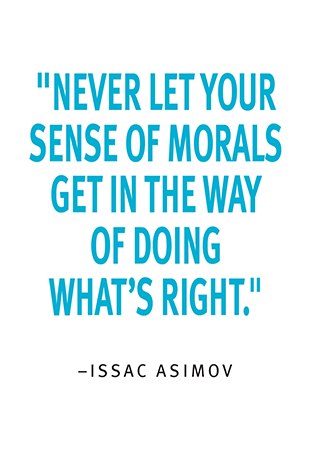
Asimov pioneered the ‘three laws’ of robotics, an attempt to create a set of ethics for machines. These laws included: First Law: a robot may not injure a human being or, through inaction, allow a human being to come to harm; Second Law: a robot must obey the orders given it by human beings except where such orders would conflict with the First Law. Third Law: a robot must protect its own existence: as long as such protection does not conflict with the First or Second Laws. His stories explore how these ethics play out in real life, and the unintended consequences they can have.
To learn more: https://plato.stanford.edu/entries/ethics-ai/
In his autobiography, Avicenna claims to be self-taught in his study of philosophy.
Reports suggest that he wrote the majority of his works without the aid of books from other philosophers
to consult and in a range of conditions, including one piece penned entirely between dawn and dusk of one
day and another on horseback during a military expedition.
To learn more: https://plato.stanford.edu/entries/ibn-sina/
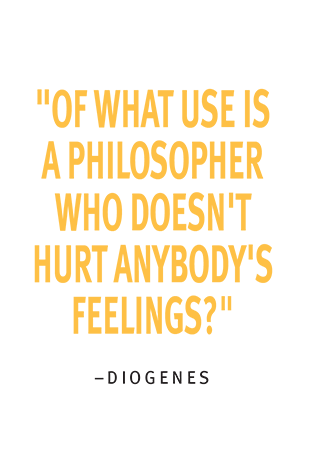
Diogenes helped found the 'Cynic' school of philosophy, which advocates a life free of material possessions and desires. He is well-known for his philosophical stunts, which included sleeping in a wine jar and carrying around a lamp in daylight in 'search of an honest man'.
To learn more: https://plato.stanford.edu/entries/ethics-ancient/
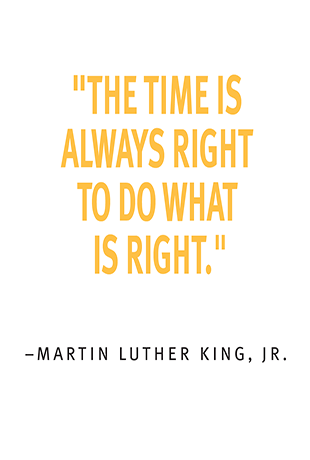
King’s activism throughout his life follows philosophical tenets of civil disobedience and pacifism, among others. His work points to a more expansive view of pacifism: for example, one that can extend to controlling internal feelings like hatred and replacing them with love instead, which he outlines in his essay 'Journey to Nonviolence'.
To learn more: https://plato.stanford.edu/entries/pacifism/
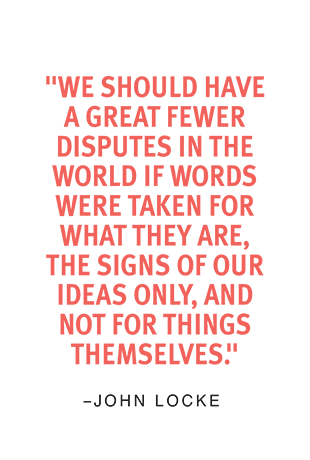
Locke is well-known for his philosophical endeavors, but during his lifetime he also pursued a study of science and medicine, serving as a personal physician and co-running a laboratory. His eclectic academic interests helped inform notable parts of his work.
To learn more: https://plato.stanford.edu/entries/locke/
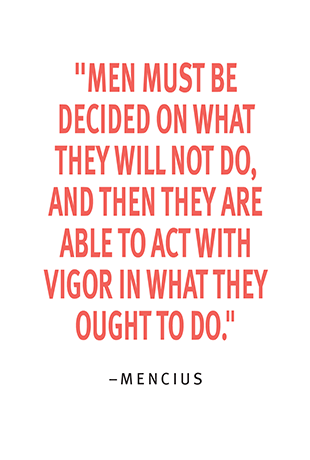
Mencius operated as what some would call a ‘public philosopher’ – he spent notable parts of his career traveling throughout the region offering advice and counsel to local leaders on topics ranging from taxation practices to foreign policy. Eventually, he served in government himself, in the ancient Chinese state of Qi.
To learn more: https://plato.stanford.edu/entries/mencius/
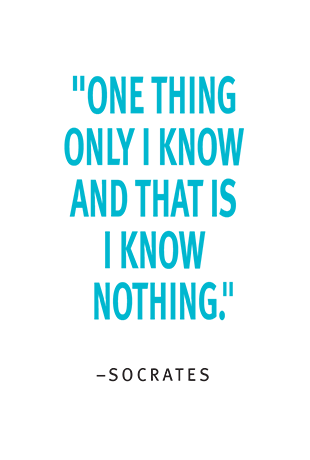
Socrates stands apart because the record of his work is so sparse – in fact, we have no evidence of any written works, and the information we know about him is all from secondary sources. Interpretations of Socrates and his beliefs have abounded throughout the years, creating a convoluted set of theories that is often known as the ‘Socratic problem’.
To learn more: https://plato.stanford.edu/entries/socrates/
Thoreau’s works span a number of different topics, from politics to nature, but a continuous theme is the importance of being alert to your surroundings. He found several intentional ways to live out this theme throughout his life, such as the two years he spent living in a simple cabin he built in the woods near Walden Pond.
To learn more: https://plato.stanford.edu/entries/thoreau/
#madeyouthink was conceived by the 2019-2020 Ethics Youth Council, and sponsored by A2Ethics. The Ethics Youth Council is one of many student programs affiliated with the Michigan High School Ethics Bowl. Additional programs include: The Visual Scribes; Bowl Onward; The Virtual Symposia; and A2Ethics Case Writing Awards in partnership with the Department of Philosophy Outreach Program's High School Ethics Symposium at the University of Michigan.